
Disney Cruise Line Planning Guide
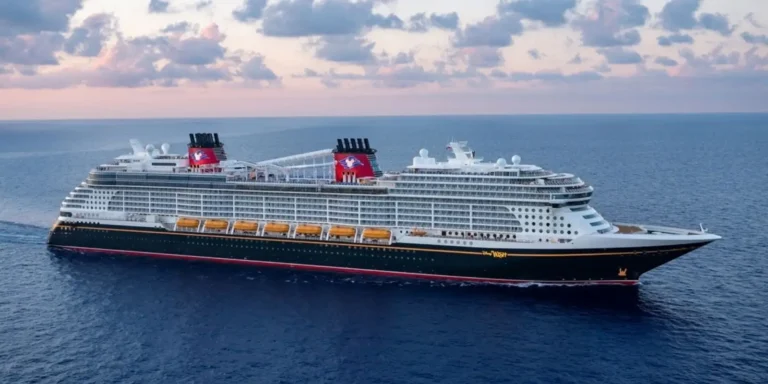
Planning your first Disney cruise? Start with your travel dates, total budget, and departure port. Then compare ships, staterooms, and itineraries. This guide helps you make those choices and keep track of what happens after you book.
Mouse Ears Blog is supported by Fairytale Journeys Travel, our preferred travel agency. This guide combines official Disney information with our editorial planning recommendations.
Fact-checked October 10, 2026. Prices, schedules, offers, and requirements can change. Check your specific reservation before making payments or travel arrangements.
How do you plan a Disney cruise for the first time?
Choose your dates, identify everyone traveling, and compare sailings from ports you can reach comfortably. Get a full-party quote, choose a room that fits, and review the payment and cancellation terms before you book.
- Set a total vacation budget and a travel window.
- List each traveler’s age at sailing and any room or accessibility needs.
- Compare cruise length, departure port, and sea days versus port days.
- Check the exact cabin layout and what the quote includes.
- Review travel documents, payment deadlines, and booking restrictions.
- After booking, arrange transportation and add planning dates to your calendar.
How much does a Disney cruise cost for a family of four?
There is no single family-of-four price. Your dates, ship, itinerary, children’s ages, cabin category, and available inventory affect the quote. Compare the total for all four travelers on the same sailing and room category.
An advertised starting price is not a reliable family budget. Ask whether the amount covers your whole party and whether taxes and port fees are included. A sailing with a lower fare can still cost more once you add flights and hotel nights.
Use this full-trip budget checklist
- Cruise fare: the total for everyone, including applicable taxes and port fees.
- Getting there: airfare or driving costs, luggage fees, transfers, and parking.
- Before and after: hotel nights and meals outside the cruise.
- Service costs: gratuities and any service charges on purchases.
- Optional spending: excursions, specialty dining, drinks, nursery care, internet, photos, and souvenirs.
- Other travel costs: documents and any travel protection you choose.
Comparison worksheet: For each quote, record the ship, departure date, nights, guests, exact cabin category, cruise total, travel costs, extras allowance, and cancellation terms. Compare the final totals before choosing.
How much should you budget for gratuities?
Disney currently recommends $16 per guest, per night for standard staterooms, including children and infants. For four guests on a four-night cruise, that is $256. Concierge has a different recommended rate, and some purchases carry separate service gratuities. Check Disney’s current gratuity guidance before finalizing your budget.
What is included in a Disney cruise—and what costs extra?
The fare covers your stateroom, main dining and many casual meals, major entertainment, and age-appropriate youth clubs. Selected soft drinks, coffee, and tea are included at meals and beverage stations. Explore Disney cruise planning with Fairytale Journeys Travel and ask an advisor to confirm what your quote includes.
Plan separately for extras: Port Adventures, premium or adult dining, alcoholic and specialty beverages, nursery care, spa visits, photographs, and other optional purchases. Some room-service items and deliveries have charges. A Disney cruise includes a lot, but it is not an unlimited all-inclusive vacation.
Is Wi-Fi included?
The Navigator app can use the ship’s guest Wi-Fi without an internet-package charge. General internet access is separate. Download the app before leaving home; see Disney’s explanation of Navigator app and internet charges.
Which Disney cruise ship should you choose?
Choose the itinerary and travel logistics first, then compare the experiences on the ships that fit. The newest ship is not automatically the best choice for your family.
Disney’s fleet includes Magic, Wonder, Dream, Fantasy, Wish, Treasure, Destiny, and Adventure as of this guide’s review date. Their venues and itineraries differ. Explore Disney cruise planning with Fairytale Journeys Travel for help comparing ships, itineraries, and departure ports.
- For a specific destination: begin with the itinerary, then compare available ships.
- For favorite characters or shows: check each ship’s current entertainment and themed spaces.
- For easy travel: compare nearby departure ports against the full cost of flying elsewhere.
- For a multigenerational group: prioritize cabin arrangements, walking distances, and shared dining plans.
Explore our ship introductions: Disney Wonder, Disney Treasure, Disney Destiny, and Disney Adventure. Confirm current features and schedules with Disney before booking.
Is a three-night or four-night Disney cruise better?
Our recommendation is to compare four nights if your schedule and budget allow. The extra night gives you more time to settle in. Three nights can suit a short getaway, but arrival and departure take up a larger share of the experience. For seven nights or longer, look carefully at the balance of sea days and ports.
When should you book, and how can you save?
Start comparing when your dates and priorities are clear. Families who need connecting rooms, a particular cabin layout, or a fixed school-break departure should give themselves more planning time. Early booking can offer more choices; it does not guarantee the lowest possible price.
Compare nearby dates, different cabin categories, and total transportation costs. Decide which upgrades you will actually use. An inside cabin on the itinerary you want may be a better fit than a balcony on a trip that stretches your budget.
Disney sometimes offers guaranteed stateroom rates with restrictions. Read the assignment, payment, and cancellation conditions before accepting a discount. A restricted rate may not suit a family that needs a specific room location. Ask about available options through Disney cruise planning with Fairytale Journeys Travel.
Which stateroom is right for your family?
Compare room layout and occupancy as carefully as the view. The category name alone does not tell you where everyone will sleep or whether the room meets your accessibility needs.
- Inside: a useful starting point when keeping the cabin budget lower matters most.
- Oceanview: compare the actual view and room layout; categories differ by ship.
- Verandah: consider the balcony if you expect to use it enough to justify the price difference.
- Concierge: compare the specific room and service benefits against the extra cost.
Can a family of five share one stateroom?
Some categories accommodate five, but not every room does. Price an eligible single room against two rooms, and check the actual bed configuration. If you need connecting rooms, confirm that they are booked as connecting rather than assuming a request guarantees them.
What is the Disney cruise planning timeline?
Keep payment deadlines, activity reservations, and online check-in on separate calendar entries. The dates shown in your Disney reservation are the ones to follow.
- Before booking: compare sailings, room layouts, required documents, and cancellation terms.
- Immediately after booking: record the balance-due date and arrange transport and hotel plans.
- Activity-booking window: Disney lists 75 days before sailing for first-time guests, after full payment. Returning guests and Concierge have different windows.
- Online check-in: first-time guests generally begin 30 days before sailing. Prepare the requested documents and guest information.
- Before departure: check your Port Arrival Time, transport arrangements, packing, and current itinerary.
Sources: Disney’s activity-booking windows and check-in and document requirements. Some experiences follow separate schedules, including Royal Gathering; Disney Adventure also has specific booking procedures.
Do you need to reserve every activity?
No. Choose a small number of experiences that matter most, then leave time for meals, shows, and relaxing. Check whether each priority requires advance booking, an onboard reservation, or simply arriving at the scheduled time. Availability is never guaranteed.
Do you need a passport for a Disney cruise?
Requirements depend on citizenship, itinerary, and the countries involved. Some sailings accept alternative citizenship documents for eligible travelers; others require passports and possibly visas. International air travel has separate requirements. Read Disney’s required-documents guidance and the government rules for your itinerary rather than relying on another family’s experience.
Check document validity early. Keep the required originals in your carry-on bag on embarkation day, not in luggage handed to a porter. Confirm any additional paperwork when a child travels without a parent or legal guardian.
How does dining work on a Disney cruise?
Your booking includes assigned main dining arrangements. With rotational dining, you follow a restaurant schedule rather than reserving a separate main dining room each night. Check the Navigator app for your assigned time, restaurant, and table.
Ask about available dining times when booking. Consider your children’s bedtime and how your family likes to spend evenings. Premium and adult dining are separate from the included main dining rotation and may require reservations and an additional charge.
What about food allergies or dietary needs?
Tell Disney about dietary needs before sailing and discuss them with your dining team onboard. Follow Disney’s special dietary request process; do not assume every venue can meet every request.
What ages are the kids’ clubs for?
Disney currently lists Oceaneer Club and Lab for ages 3–10, Edge for 11–14, and Vibe for 14–17. Spaces vary by ship. Review Disney’s youth-club information and confirm eligibility and participation requirements for your child.
When siblings fall into different age groups, discuss the options before choosing your sailing. Plan some shared family activities so the vacation does not depend on siblings attending the same club.
Can you take a baby on a Disney cruise?
Disney generally requires infants to be at least six months old at sailing, with a one-year minimum on certain itineraries. Check Disney’s guidance for traveling with little ones for your cruise. Nursery care is a separate planning consideration, with charges and availability to confirm.
Is Disney Cruise Line worth considering without children?
Yes, especially if you enjoy Disney entertainment and also want time for dining and relaxation. Disney offers adult-focused venues and experiences. Compare those with the atmosphere and total price you want; the ship as a whole remains a family environment.
Does every Disney cruise visit Castaway Cay or Lookout Cay?
No. Check the itinerary before booking. Many Bahamian and Caribbean sailings include one or both, while other itineraries do not. For help finding a sailing that visits Castaway Cay or Lookout Cay at Lighthouse Point, explore Disney cruise planning with Fairytale Journeys Travel.
An island day can include beach time and lunch without buying an excursion. Decide whether an optional activity adds something your family wants. Review mobility needs, heat, walking distances, and the schedule before committing to a full day of plans.
Do you have to book a shore excursion?
No. Depending on the port and itinerary, you can choose an organized excursion, explore independently, or enjoy time onboard. Compare transport, age requirements, activity duration, and the ship’s all-aboard time. Leave a generous return buffer when planning independently.
Should you arrive the day before your cruise?
We recommend a pre-cruise overnight stay when flying. It gives you more room to handle travel delays. Compare the hotel, airport transfer, and port transfer together rather than choosing a hotel by nightly price alone.
For the return trip, allow time for disembarkation, port procedures, traffic, and airport check-in. Ask for departure-port guidance before booking an early flight. Follow your assigned or selected Port Arrival Time on embarkation day.
What should you pack for a Disney cruise?
Carry on: travel documents, check-in information, medication, valuables, a phone charger, and anything you need before checked bags arrive. Add swimwear and a change of clothes if you want them that afternoon.
Pack for the itinerary: comfortable shoes, layers, sun protection, suitable clothes for excursions, and clothing for any dining or themed events you choose. Check requirements for premium dining rather than packing for events you may not attend.
Use Disney’s packing checklist and prohibited-items guidance before bringing appliances, decorations, or unusual equipment. You do not need to buy every accessory on a cruise packing list.
Should you book directly or use a Disney cruise travel advisor?
Direct booking may suit travelers who want to manage every detail themselves. An advisor can be useful when comparing cabins, coordinating a group, tracking deadlines, or reviewing available offers. Ask what support is included and who handles changes after booking.
Questions to ask any agency: Is there a planning or change fee? Who is my contact? What happens if plans change? What booking benefits apply to this exact sailing? Ask for written terms and compare identical sailings and categories.
Can Fairytale Journeys Travel help plan your cruise?
Fairytale Journeys Travel, Mouse Ears Blog’s preferred agency, offers Disney cruise planning at no additional cost and onboard credit on eligible reservations. Its published Disney Cruise Line onboard-credit offer explains qualifying fares and booking types. Ask your advisor to confirm the benefit for your quote in writing.
How much onboard credit can you receive?
The current offer provides up to $1,000 for eligible new reservations; eligible onboard bookings and transfers follow a different scale. The amount depends on qualifying base fare and booking type, and not every reservation qualifies. Consult the current offer chart and conditions rather than assuming the maximum applies. Onboard credit is a benefit for eligible purchases, not a cash discount on every travel expense.
Request a free Disney cruise quoteCan you combine a Disney cruise with Disney World?
Yes. Plan the land stay, transfers, and cruise as separate parts of the budget, and leave room for travel between them. Our Walt Disney World Planning Guide can help you choose park days. For a California vacation, start with our Disneyland Planning Guide and confirm the distance to your cruise’s departure port.
Your final planning check
- The cabin fits every traveler and the sleeping arrangements work.
- The total budget includes transportation, gratuities, and planned extras.
- Travel documents and any required authorizations are ready.
- Payment, activity-booking, and check-in dates are on your calendar.
- Arrival transport and a carry-on bag are planned.
- Everyone has a few priorities—and room to enjoy the trip.
Editorial note: recommendations about trip length, budgeting, and arrival timing are Mouse Ears Blog planning suggestions. Linked Disney sources govern official policies. Fairytale Journeys Travel’s current terms govern its offers.